Why buy secondhand
Buying secondhand keeps clothes in use for longer and often lets you find sturdier fabrics than you might buy new. Charity shops, thrift stores, consignment shops, community swaps and online listings all sell used clothing. Each works a little differently, so it is worth trying a few.
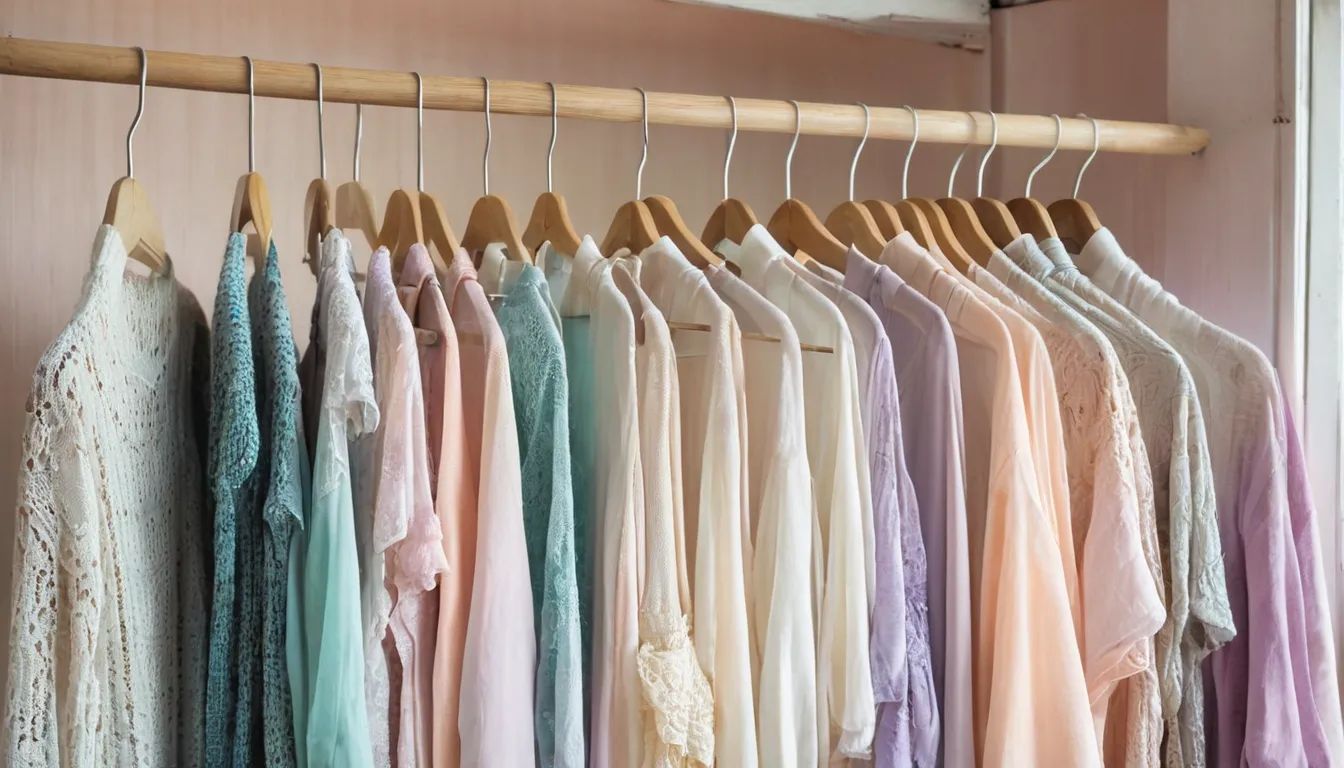
Go with a plan
- Bring a short list of gaps from your capsule wardrobe review.
- Know your measurements, and carry a small tape measure. Sizes on older clothes can run very differently.
- Wear easy layers, like a fitted tee and leggings, in case there is no fitting room.
- Give yourself time. Thrifting rewards slow looking more than speed.
Check every piece
- Fabric label. Look for the fiber content. Wool, cotton, linen and silk pieces in good condition are often worth a closer look.
- Underarms, collar and cuffs. Look for stains, yellowing and thin spots.
- Seams. Pull gently at the seams. Stitches should hold, with no gaps or loose threads.
- Zips, buttons and hooks. Open and close them. Missing buttons are easy to replace, while a broken zip in a coat may need a tailor.
- Pilling and holes. Hold knits up to the light. Small holes can mean moth damage.
- Smell. Many smells wash out, but strong smoke or mildew may not.
Fit and alterations
Try things on if you can. If a piece fits your shoulders and hips, simple changes like a hem or a taken-in waist are usually possible; see the alterations guide. Skip pieces that need many changes unless you love them and sew yourself.
Clean before wearing
Wash or clean every secondhand piece before you wear it, following its care label. For wool and silk, check for moth signs first and keep them apart from your other clothes until they are clean. The care guide explains washing by fiber.
Buy what you will wear
Low prices make it easy to buy pieces you do not need. A good rule is to buy only what goes with at least three things you own and fits now or after one simple alteration. If you bring something home that does not work, pass it on through donation or resale.
Is there a best day to go thrifting?
It depends on the shop. Many restock often, and some put out new stock on set days. Ask the staff, or visit at different times and notice when the racks look fullest.